Beyond the Shell: Smart Swaps for Delicious Egg-Free Creations
Eggs are culinary chameleons, lending their magic to countless recipes, from the fluffy rise of a soufflé to the binding power in a hearty meatloaf. They provide structure, moisture, richness, and leavening, making them a staple in kitchens worldwide. However, for a growing number of people, eggs aren't an option. Whether you're navigating an egg allergy, embracing a vegan diet, managing cholesterol levels, or simply ran out of this household staple, the need for effective egg substitutes is more common than ever.
Fortunately, the culinary world has evolved, offering a diverse pantry of ingenious replacements that allow you to enjoy your favorite dishes without compromise. This article delves into the science of what eggs do and how various ingredients can step in to perform those vital functions, ensuring your egg-free creations are just as delicious and satisfying.
The Science of the Swap: Understanding Egg Functions
Before we explore the best egg alternatives, it's crucial to understand the multifaceted roles eggs play in recipes. As registered dietitian Beth Czerwony, RD, LD, highlights, eggs contribute more than just protein. When you know an egg's primary job in a specific dish, you can choose the most effective substitute.
- Binding Agent: Eggs help hold ingredients together, preventing cookies from crumbling or veggie burgers from falling apart. The protein coagulates when heated, creating a cohesive structure.
- Leavening Agent: Beaten eggs, particularly egg whites, trap air bubbles, which expand when baked, creating light and airy textures in cakes, soufflés, and meringues.
- Moisture and Fat: Egg yolks contribute rich fats and moisture, enhancing flavor and tenderness while preventing baked goods from drying out.
- Emulsifier: Eggs can bind oil and water, creating stable mixtures like mayonnaise or smooth batters.
- Flavor and Color: Eggs contribute a subtle richness and a golden hue to many dishes.
As pastry chef-instructor Penny Stankiewicz notes, understanding these functions is key. A substitute perfect for binding won't necessarily be ideal for leavening, and vice versa. Let's explore the versatile world of egg substitutes.
Versatile Egg Substitutes: Smart Swaps for Every Recipe
For Moisture, Binding, and Richness in Baking
Many baked goods rely on eggs for their ability to add moisture, bind ingredients, and contribute to a tender crumb. These plant-based and dairy options excel in those roles:
- Applesauce: Unsweetened applesauce is a fantastic option, especially for denser desserts like muffins, quick breads, and brownies. It provides moisture and a touch of sweetness (even if unsweetened, it adds natural sugars), acting as a binder. If you have dairy sensitivities alongside an egg allergy, applesauce is a reliable choice.
- How to use: 1/4 cup unsweetened applesauce per egg.
- Tip: Opt for unsweetened to control the sugar content of your recipe.
- Mashed Bananas: Similar to applesauce, mashed ripe bananas add moisture and binding power, along with a distinct fruity flavor. They work wonderfully in banana bread, muffins, and certain cookies.
- How to use: 1/2 large mashed ripe banana per egg.
- Tip: Ensure bananas are very ripe for best texture and sweetness. The banana flavor will be noticeable.
- Greek Yogurt (and Plain Yogurt): A good source of protein, full-fat plain Greek yogurt can keep baked goods incredibly moist and tender. Its richness mimics the fat content of eggs. Regular plain yogurt also works well.
- How to use: 1/4 cup full-fat plain Greek yogurt (or plain yogurt) per egg.
- Tip: Full-fat versions provide the best texture and richness. Avoid flavored yogurts unless they complement your recipe.
- Nut Butters: Creamy nut butters like peanut, cashew, or almond butter can add moisture, richness, and binding to recipes like brownies, cookies, and even savory dishes. They contribute a distinct flavor profile.
- How to use: 3 tablespoons creamy nut butter per egg.
- Tip: Choose smooth, creamy varieties for best integration. Be mindful of nut allergies.
- Silken Tofu: With its high water content and smooth texture, silken tofu is an excellent plant-based protein source that works well as a binder and moisture provider in baked goods like custards, quiches, or cheesecakes.
- How to use: 1/4 cup pureed silken tofu per egg.
- Tip: Ensure it's thoroughly blended to avoid lumps. Avoid if you have a soy allergy.
For Leavening and Lightness
When you need your baked goods to rise and be airy, these alternatives harness chemical reactions or trapped gas to create that desired lift:
- Vinegar and Baking Soda: This classic science experiment in your kitchen creates carbon dioxide gas, which helps baked goods rise, resulting in a light and fluffy texture. It's particularly effective in cakes and muffins.
- How to use: Combine 1 teaspoon baking soda with 1 tablespoon vinegar (white or apple cider) per egg. Add the vinegar to the wet ingredients and the baking soda to the dry, then combine quickly.
- Tip: Use immediately after mixing to capture the fizz.
- Carbonated Water (Seltzer): The bubbles in carbonated water act as a leavening agent, introducing air into your batter. This works well in lighter baked goods, giving them a delicate crumb.
- How to use: 1/4 cup carbonated water (or seltzer) per egg.
- Tip: Use plain, unflavored carbonated water.
- Buttermilk: The acidity of buttermilk reacts with baking soda in a recipe, providing a gentle lift and tenderizing effect, much like the vinegar and baking soda combination, but with added moisture.
- How to use: 1/4 cup buttermilk per egg.
- Tip: If your recipe calls for baking soda, buttermilk is an excellent choice.
For Binding, Structure, and Specialty Uses
Some egg substitutes are particularly good at binding or can mimic unique egg properties, like frothing:
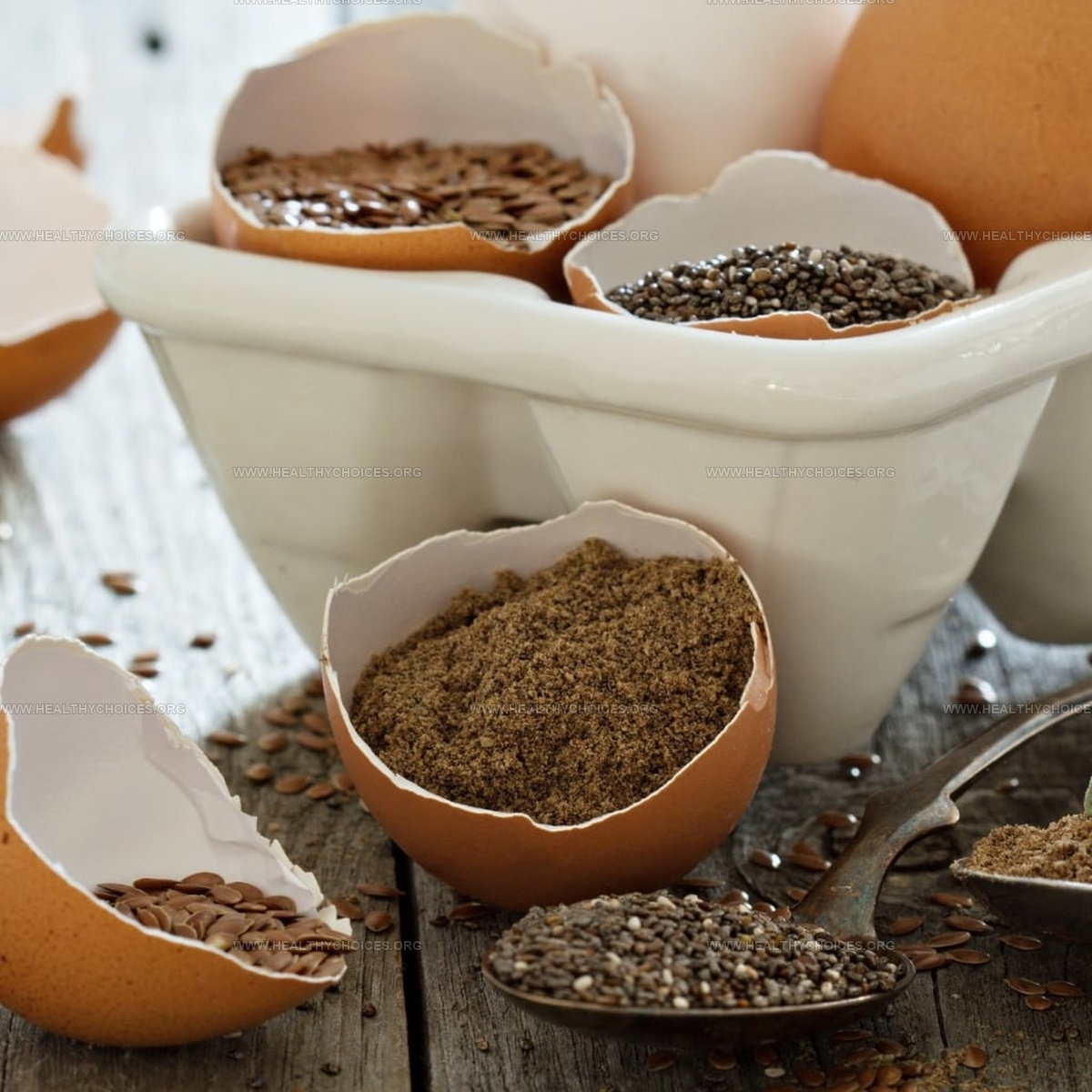
- Flax Meal (Flax Egg): Also known as ground flaxseeds, flax meal is a powerhouse of omega-3 fatty acids, fiber, and antioxidants. When mixed with water, it forms a gelatinous consistency that's excellent for binding in muffins, cookies, pancakes, and even as a thickener.
- How to use: Combine 1 tablespoon flax meal with 3 tablespoons water. Let sit for 5-10 minutes until gel-like, then use per egg.
- Tip: Grind whole flaxseeds for maximum freshness and nutrient absorption.
- Chia Seeds (Chia Egg): Similar to flax meal, chia seeds absorb liquid to form a gel, making them superb binders. They also add a nutritional boost with fiber and omega-3s.
- How to use: Combine 1 tablespoon chia seeds with 3 tablespoons water. Let sit for 5-10 minutes until gel-like, then use per egg.
- Tip: Can add tiny specks to your final product, which might be visible in lighter-colored baked goods.
- Aquafaba: This culinary marvel is the liquid from a can of chickpeas (or other legumes). It can be whipped like egg whites to create foams, meringues, macarons, and mousses, or used as a binder in baking.
- How to use: 3 tablespoons aquafaba per egg (or 2 tablespoons for an egg white).
- Tip: Chilling the aquafaba beforehand can help it whip up faster and firmer.
For Savory Dishes
When your craving is for something beyond baked goods, such as a hearty breakfast or a savory main course, specific egg substitutes shine:
- Firm Tofu: If you're looking to recreate a breakfast scramble, firm or extra-firm tofu is your go-to. It crumbles easily and can be seasoned and cooked with vegetables to mimic the texture and heartiness of an egg scramble.
- How to use: 3 ounces crumbled firm tofu per egg.
- Tip: Press the tofu first to remove excess water for a better texture. Turmeric can be added for an eggy yellow color, and black salt (kala namak) for a sulfurous, eggy flavor.
- Chickpea Flour (Gram Flour): This gluten-free flour, when mixed with water, can create a batter perfect for savory pancakes, frittatas, or quiches, offering a good source of protein and a distinct earthy flavor.
- How to use: Approximately 1/4 cup chickpea flour mixed with 1/4 cup water (adjust for desired consistency) per egg, depending on the recipe.
- Tip: Whisk well to avoid lumps. Season liberally to enhance flavor.
Choosing the Right Egg Substitute: Smart Swaps for Success
Navigating the world of egg substitutes can feel overwhelming, but with a few guiding principles, you'll master the art of egg-free cooking and baking:
- Identify the Egg's Role: As discussed, determine if the egg is primarily for binding, leavening, moisture, or a combination. This is the most crucial step.
- Consider Flavor Impact: Some substitutes (like banana or nut butter) have distinct flavors. Choose one that complements or is subtle enough for your recipe.
- Texture Matters: If you need a light, airy result, go for leavening agents. For a denser, moist product, applesauce or mashed banana works well.
- Dietary Needs: Always be mindful of other allergies (e.g., soy with tofu, nuts with nut butter) or dietary restrictions.
- Start Small: When trying a new substitute in a familiar recipe, consider testing a smaller batch first, especially for complex recipes.
Conclusion: Embrace the Egg-Free Culinary Adventure
The journey to egg-free cooking and baking is an exciting one, opening up a world of innovative ingredients and delicious possibilities. From the simple fruit purees providing moisture to the scientific marvel of aquafaba, there's a perfect egg substitute for nearly every need. Whether you're avoiding eggs due to allergies, health considerations, ethical choices, or just a temporary shortage, these smart swaps ensure that your culinary creations remain flavorful, satisfying, and utterly delightful. So go ahead, experiment with confidence, and discover the joy of delicious egg-free living!
