Why You Might Need Egg Substitutes in Your Kitchen
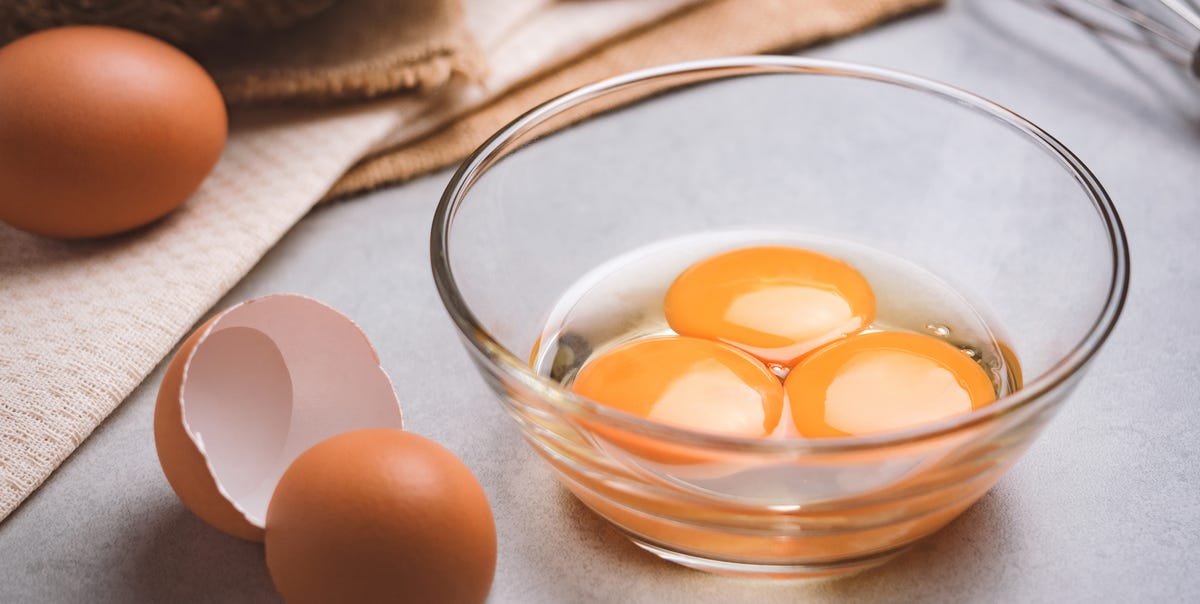
Eggs are culinary chameleons, lending their magic to a vast array of dishes, from the towering soufflé to the humble cookie. They bind, they leaven, they moisten, and they enrich. However, for a growing number of people, traditional eggs aren't always an option. The search for effective egg substitutes isn't just a niche dietary concern; it's a mainstream culinary quest driven by diverse needs and preferences.
One of the most critical reasons to seek out alternative ingredients is the presence of an egg allergy. For individuals with this condition, even a trace amount of egg can trigger severe reactions, making reliable substitutes essential for safety and enjoyment in the kitchen. Beyond allergies, ethical and dietary choices play a significant role. The surge in popularity of vegan and plant-based diets means that many home cooks and professional chefs are actively seeking ingredients that deliver the same functionality as eggs without animal products.
Registered dietitian Beth Czerwony, RD, LD, highlights additional health considerations: "If you have high cholesterol, your doctor may advise you to watch how many eggs you eat." In such cases, mindful substitution allows you to still enjoy your favorite recipes while adhering to dietary recommendations. Furthermore, personal preference—simply not liking the taste or texture of eggs—can also steer someone towards alternatives. And in an era of fluctuating grocery prices, finding cost-effective egg substitutes can even be a savvy way to save money on household staples.
Understanding the Multifaceted Role of Eggs in Recipes
Before diving into specific egg replacement options, it's crucial to understand why eggs are so integral to many recipes. Eggs aren't just one ingredient; they're a powerhouse of culinary functions. As Penny Stankiewicz, chef-instructor of pastry and baking arts at the Institute of Culinary Education, explains, their versatility is key:
- Binding Agent: Eggs help hold ingredients together, preventing baked goods from crumbling. This is due to the proteins coagulating when heated.
- Leavening Agent: Whipped egg whites, in particular, trap air, creating volume and a light, airy texture in things like meringues, soufflés, and some cakes. The moisture in eggs also creates steam during baking, which contributes to lift.
- Moisture and Richness: The fat in egg yolks contributes significant moisture, tenderness, and a rich flavor profile to cakes, cookies, and custards.
- Structure: The proteins in eggs provide structure, giving baked goods their shape and preventing them from collapsing. This is especially true for egg whites.
- Emulsification: Eggs can help blend fats and liquids that would normally separate, creating smooth sauces, custards, and batters.
- Color and Shine: Egg washes provide a golden-brown hue and a glossy finish to pastries and breads.
Because eggs perform so many roles, there isn't a single "perfect" substitute for every situation. The best replacement often depends on the primary function the egg is performing in a particular recipe and the desired final texture and flavor. Understanding these roles is the first step towards successful substitution.
Top Egg Substitutes for Baking and Beyond
The good news is that your pantry likely holds several ingredients capable of stepping in for eggs. Here's a comprehensive look at popular and effective egg substitutes, along with their ideal uses and ratios:
Mashed Fruits: Applesauce & Bananas
For adding moisture and a touch of sweetness, mashed fruits are excellent egg substitutes, particularly in denser baked goods like muffins, quick breads, and brownies.
- Applesauce: A go-to for many, unsweetened applesauce is perfect for those avoiding dairy as well. It imparts moisture and can replace one egg with 1/4 cup. Opt for unsweetened to control the sugar content of your recipe. It's especially effective in recipes that are meant to be dense rather than light and airy.
- Mashed Bananas: Another fruit powerhouse, a ripe mashed banana adds moisture and a subtle banana flavor, which can be delightful in many desserts. Use about 1/2 large mashed banana for one egg. Be mindful of the flavor contribution, as it will be noticeable.
Yogurts & Buttermilk: For Moisture and Tenderness
Dairy and dairy-free yogurts, along with buttermilk, offer moisture and can assist with leavening, especially in cakes and muffins.
- Greek Yogurt (Plain, Full-Fat): A rich source of protein, full-fat plain Greek yogurt is excellent for keeping baked goods moist and adding tenderness. Use 1/4 cup for one egg. Plain regular yogurt also works effectively at the same ratio. For dairy-free needs, unsweetened plain dairy-free yogurts (soy, almond, coconut) can be used similarly.
- Buttermilk: The acidity in buttermilk reacts with baking soda in a recipe, providing a gentle lift and a tender crumb. Replace one egg with 1/4 cup of buttermilk. If you don't have buttermilk, you can make a quick substitute by adding 1 tablespoon of lemon juice or white vinegar to regular milk and letting it sit for 5-10 minutes.
Flaxseed Meal & Chia Seeds: The "Vegan Egg" Binders
Often referred to as "flax eggs" or "chia eggs," these seeds are superb binders and add nutritional value (omega-3s, fiber, antioxidants) to your recipes.
- Flaxseed Meal (Ground Flaxseeds): To create a flax egg, combine 1 tablespoon of flaxseed meal with 3 tablespoons of water. Stir well and let it sit for 5-10 minutes until it thickens to a gel-like consistency. It's best for recipes where binding is the primary function, such as cookies, muffins, and certain breads. The texture can be slightly noticeable.
- Chia Seeds: Similar to flax, chia seeds form a gel when mixed with liquid. Use 1 tablespoon of chia seeds (whole or ground) with 3 tablespoons of water. Let it sit for about 10-15 minutes. Chia eggs are excellent for binding and can add a slight nutty flavor.
Tofu: Versatility for Scrambles & Baking
Tofu, a soy-based product, offers plant-based protein and can be used in different forms depending on your culinary goal. (Note: Avoid if you have a soy allergy.)
- Silken Tofu: With its high water content and smooth texture, silken tofu is a great egg substitute for baking, especially in recipes requiring a creamy consistency like quiches, custards, and cheesecakes. Blend 1/4 cup of silken tofu until smooth to replace one egg.
- Firm Tofu: For savory dishes, firm or extra-firm tofu is the star for replicating egg scrambles. It crumbles easily and can be seasoned and cooked with vegetables to create a hearty, egg-free breakfast. Use about 3 ounces (about 1/4 block) for one "egg scramble" serving.
Aquafaba: The Chickpea Miracle
The viscous liquid from a can of chickpeas (or other white beans) is known as aquafaba, and it's a remarkably versatile egg replacement, particularly for egg whites.
- Aquafaba: This unassuming liquid can be whipped into frothy peaks, making it an excellent egg white substitute for meringues, marshmallows, mousses, and macarons. For general baking, use 3 tablespoons of aquafaba to replace one whole egg. For egg white applications, about 2-3 tablespoons of aquafaba can substitute one egg white.
Vinegar & Baking Soda: The Leavening Power Duo
For recipes needing a significant lift and a light, fluffy texture, this scientific combination works wonders.
- Vinegar and Baking Soda: The chemical reaction between an acid (vinegar) and a base (baking soda) produces carbon dioxide gas, which helps baked goods rise. Combine 1 teaspoon of baking soda with 1 tablespoon of white vinegar (or apple cider vinegar) immediately before adding to your wet ingredients to replace one egg. This is best for cakes, cupcakes, and quick breads.
Nut Butters: For Richness and Chewiness
Creamy nut butters can add moisture, richness, and a chewy texture to certain baked goods.
- Creamy Nut Butters (Peanut, Almond, Cashew): Use 3 tablespoons of creamy nut butter to replace one egg. This works particularly well in recipes where a dense, chewy texture is desired, like brownies, cookies, and some bars. Be aware of the flavor contribution of the nut butter.
Carbonated Water: Lightness and Lift
For a simple leavening agent, carbonated water can provide surprising lift.
- Carbonated Water (Seltzer): The bubbles in carbonated water act as a leavening agent, creating a lighter texture in baked goods. Use 1/4 cup of plain carbonated water (or seltzer) to replace one egg. It's particularly effective in recipes that are already fairly light and airy.
Choosing the Right Egg Substitute: Key Considerations
With so many options, how do you pick the best egg substitute for your recipe? It largely depends on what function the egg is primarily performing and the desired outcome. For example, if you're making a light, fluffy cake, a vinegar and baking soda combination or carbonated water might be ideal. For dense, moist brownies, applesauce, mashed banana, or nut butter would be more suitable. If you're aiming for a binding effect in cookies or muffins, a flax or chia egg is usually your best bet.
Always consider the flavor profile of your substitute. Mashed bananas will lend a banana flavor, while nut butters will introduce their distinct taste. Unsweetened options are generally preferred for fruits and yogurts to avoid altering the recipe's sugar balance. It's also worth noting that some substitutes are better for replacing one or two eggs, while replacing larger quantities can significantly impact the recipe's structure and taste.
Don't be afraid to experiment! Baking without traditional eggs can be a rewarding journey of discovery. Many recipes are surprisingly adaptable, and with a little trial and error, you'll find your preferred egg substitutes that consistently yield delicious results.
The world of cooking offers incredible flexibility. Whether you're navigating allergies, adhering to a vegan lifestyle, watching your cholesterol, or simply running low on eggs, a wealth of effective and delicious egg substitutes awaits in your pantry. By understanding the roles eggs play and thoughtfully selecting the right replacement, you can confidently create your favorite cakes, cookies, scrambles, and more, proving that culinary magic doesn't always require a chicken and an egg.
